
Tooth pain is often easy to ignore at first, but certain symptoms may indicate a deeper problem that requires immediate attention. One of the most common treatments for saving an infected tooth is a root canal. Recognising the early warning signs can help prevent severe pain, infection, and even tooth loss.
At Laketown Dentistry, patients are guided with clarity and care by experienced professionals like Dr. Manav Nayyar, a highly respected General Dentist in Canada with decades of experience in endodontics. Dr. Manav Nayyar focuses on accurate diagnosis and gentle treatment, helping patients feel informed and comfortable throughout their dental care journey.
If you are experiencing unusual tooth sensitivity or discomfort, continue reading to understand the key signs that may indicate the need for a root canal treatment.
What is Root Canal Treatment
A root canal is a dental procedure used to treat infection or damage inside a tooth. The inner part of the tooth, known as the pulp, contains nerves and blood vessels. When this area becomes infected due to decay, cracks, or injury, it can cause pain and swelling.
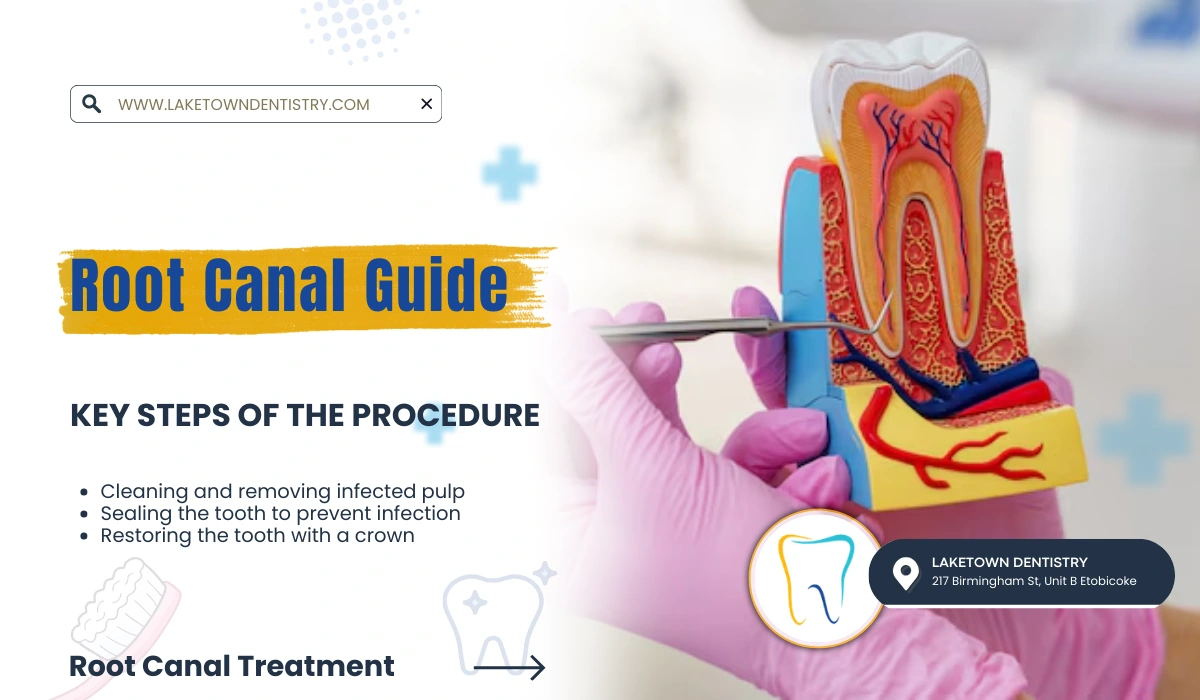
During a root canal treatment, the infected pulp is carefully removed, the inside of the tooth is cleaned and disinfected, and then sealed to prevent further infection. This procedure helps preserve your natural tooth while eliminating pain and discomfort.
Why Early Detection is Important
Ignoring early symptoms of infection can lead to more serious complications. A minor issue can quickly develop into a severe infection affecting surrounding teeth and gums.
Here’s why early detection matters:
- Prevents the spread of infection
Treating the problem early stops bacteria from spreading to nearby teeth and tissues
- Saves your natural tooth
Early treatment increases the chances of preserving the original tooth structure
- Reduces pain and discomfort
Addressing the issue before it worsens helps avoid intense pain
- Avoids complex procedures
Delayed treatment may lead to extraction or more advanced dental procedures
Understanding the warning signs allows you to take timely action and protect your oral health.
Early Warning Signs You May Need a Root Canal
Recognising these symptoms can help you determine when to seek professional care:
- Persistent tooth pain
Continuous or recurring pain, especially while chewing or applying pressure, is a common sign of infection
- Sensitivity to hot and cold
If your tooth remains sensitive even after the source is removed, it may indicate nerve damage
- Swollen or tender gums
Inflammation around a specific tooth can signal infection beneath the surface
- Darkening of the tooth
A tooth that becomes discolored may have internal damage or decay
- Pimple or abscess on the gums
A small bump near the affected tooth can indicate an infection that needs immediate attention
- Cracked or chipped tooth
Damage to the tooth can expose the pulp and lead to infection
- Pain when touching or biting
Increased sensitivity when biting down often points to internal inflammation
If you notice one or more of these signs, it is important to consult a dentist promptly.
What Happens If You Delay Treatment
Delaying a root canal can worsen the condition and lead to serious oral health issues.
- Infection can spread to surrounding teeth and jawbone
- Pain may become severe and constant
- Swelling can increase and affect facial areas
- Tooth loss may become unavoidable
Early intervention not only saves your tooth but also prevents more extensive treatment in the future.
Root Canal Treatment Process Explained
Understanding the procedure can help reduce anxiety and give you confidence in your treatment.
1. Examination and Diagnosis
Your dentist will examine the affected tooth using X-rays to determine the extent of infection.
2. Local Anesthesia
The area is numbed to ensure a comfortable and pain-free experience.
3. Cleaning the Infected Area
The infected pulp is removed, and the inside of the tooth is cleaned thoroughly.
4. Sealing the Tooth
The cleaned space is filled and sealed to prevent further infection.
5. Restoration
A crown may be placed to restore the strength and function of the tooth.
At Laketown Dentistry, advanced techniques and a patient-focused approach ensure that each step is performed with precision and care.
How to Prevent the Need for a Root Canal
While not all cases can be avoided, maintaining good oral hygiene can reduce your risk.
- Brush and floss regularly
- Schedule routine dental checkups
- Address cavities and damage early
- Avoid chewing hard objects that may crack teeth
- Maintain a balanced diet for strong teeth
Preventive care plays a key role in long-term dental health.
When Should You See a Dentist for Root Canal Symptoms
You should see a dentist as soon as you experience continuous tooth pain, swelling, or sensitivity that lasts more than a few days. Early diagnosis helps prevent complications and makes treatment more effective.
Final Thoughts
Recognising the early signs of a root canal can help you take timely action and avoid serious dental problems. Symptoms like persistent pain, sensitivity, and swelling should never be ignored. With proper care and early treatment, it is possible to save your natural tooth and restore your oral health.
For patients looking for trusted and experienced care, Dr. Manav Nayyar at Laketown Dentistry offers expert diagnosis and advanced root canal treatment with a focus on comfort and long-term results. As a reliable dental clinic in Etobicoke, the practice is committed to providing high-quality, patient-centered care.
If you are experiencing any symptoms or want a professional evaluation, contact Laketown Dentistry today.
Call 647 695 5656 or email info@laketowndentistry.com to book your appointment and receive personalised dental care you can trust.